EPR Programs That Are Shaping a Circular Economy
Extended Producer Responsibility (EPR) is becoming an important tool for accelerating the transition from a linear “take–make–dispose” model toward a circular economy. By making producers responsible for the collection, recycling, recovery, and responsible management of products and packaging after use, EPR programs encourage resource efficiency, reduce waste, and promote more sustainable product design.
1. What is an EPR Program?
Producer Responsibility and Circular Economy:
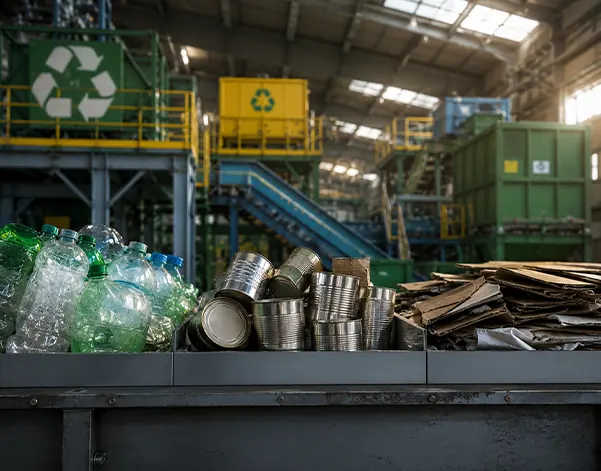
An Extended Producer Responsibility (EPR) program is a regulatory framework that assigns producers responsibility for managing the environmental impacts of their products throughout their lifecycle, particularly after consumer use. EPR programs can cover plastics, packaging, e-waste, batteries, tyres, textiles, and other waste streams, depending on the regulatory framework of each country.
2. Plastic Packaging EPR Programs
Reducing Plastic Waste and Increasing Recycling:
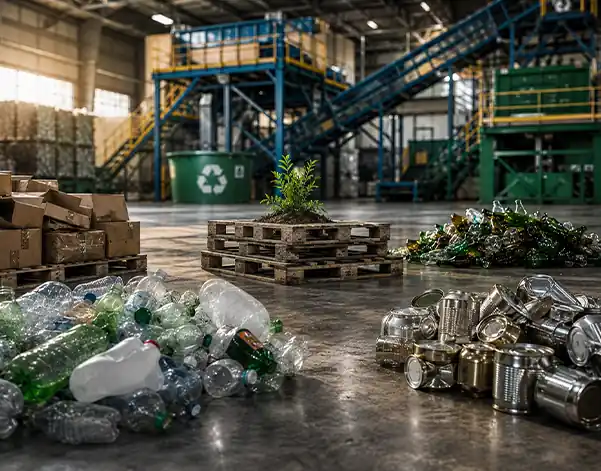
Plastic packaging is one of the major areas where EPR programs are driving change. Producers are increasingly required to meet collection, recycling, recovery, or recycled-content obligations. These programs encourage businesses to improve packaging design, reduce unnecessary plastic use, increase recyclability, and support the development of formal recycling systems.

3. E-Waste EPR Programs
Recovering Valuable Electronic Resources:
E-waste EPR programs make producers responsible for managing discarded electrical and electronic products. These programs encourage the collection and recycling of electronic waste while supporting the recovery of valuable materials such as metals and other recyclable components. Effective e-waste EPR can also reduce the environmental risks associated with improper disposal.

4. Battery EPR Programs
Supporting Battery Collection and Resource Recovery:
The rapid growth of electric vehicles, renewable energy storage, and portable electronics is increasing the importance of battery recycling. Battery EPR programs place greater responsibility on producers to establish collection and recycling systems and promote responsible management of batteries at the end of their useful life. These programs can help recover critical materials and reduce dependence on virgin resources.

5. Packaging and Deposit-Return Systems
Improving Collection and Recycling Rates:
Some EPR systems are combined with deposit-return or take-back mechanisms to encourage consumers to return used packaging. Such systems can improve collection rates and provide cleaner waste streams for recycling. Producers can also use these systems to increase the recovery of materials and support closed-loop recycling.

6. EPR is Encouraging Sustainable Product Design
Designing Products for Circularity:
One of the most important impacts of EPR is its influence on product and packaging design. When producers become financially or operationally responsible for post-consumer waste, they have greater incentives to design products that are durable, reusable, repairable, recyclable, or easier to recover. This helps shift businesses from waste management toward designing for circularity.

7. Technology is Strengthening EPR Programs
Digital Tracking and Transparency:
Digital platforms, data analytics, traceability systems, and online compliance portals are making EPR programs more transparent and efficient. Technology can help businesses track quantities placed on the market, collection and recycling activities, certificates, recyclers, and compliance obligations. Better data management also improves monitoring and reduces the risk of inaccurate reporting.