Decoding the Battery Ecosystem: A Comprehensive Guide to Producer Types
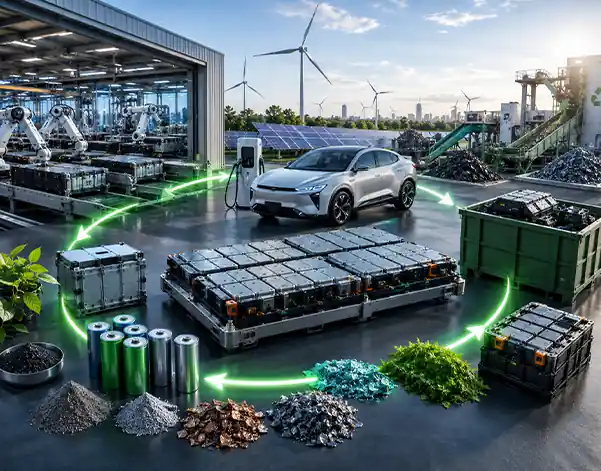
The global battery industry is rapidly expanding due to the growth of electric vehicles, renewable energy storage, consumer electronics, and industrial applications. As battery production and consumption increase, understanding the different types of battery producers and their responsibilities has become essential for effective Extended Producer Responsibility (EPR), recycling, resource recovery, and regulatory compliance. Understanding the battery ecosystem helps businesses identify their role, responsibilities, and opportunities within the circular economy.
Understanding the Battery Value Chain:
Producer Responsibility and Circular Economy:
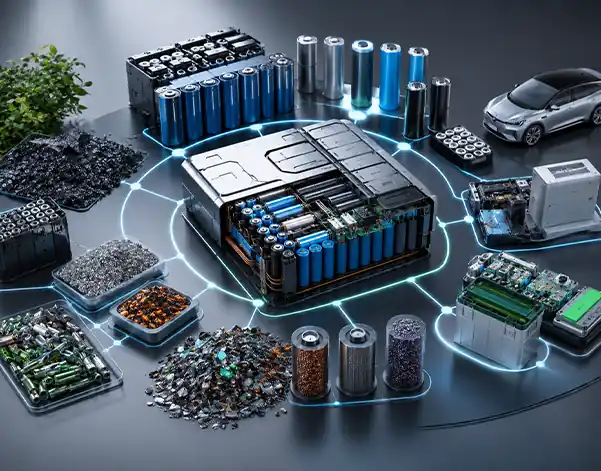
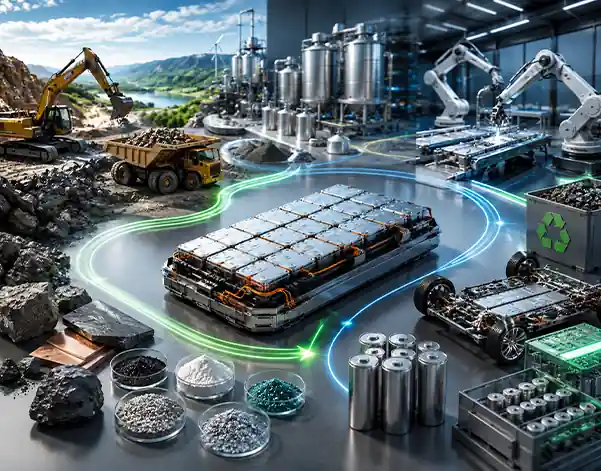
The battery ecosystem includes manufacturers, importers, assemblers, distributors, vehicle manufacturers, consumers, collection agencies, recyclers, and other stakeholders involved in the battery lifecycle. From raw material extraction and cell manufacturing to battery use, collection, recycling, and recovery, each stage plays an important role in creating a sustainable battery value chain.
2. Battery Manufacturers
Producers of Batteries and Battery Cells:
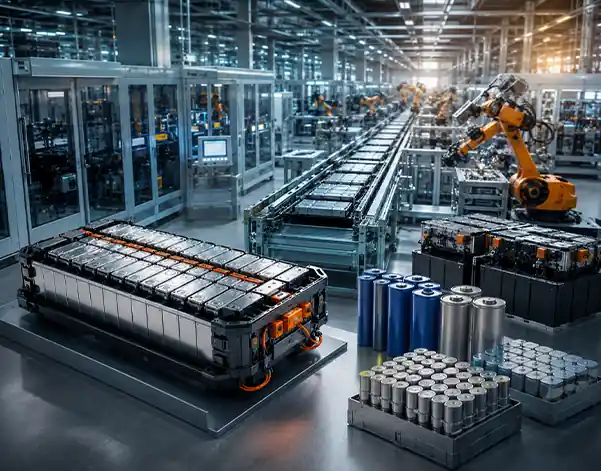
Battery manufacturers produce cells, modules, battery packs, or complete batteries for different applications. These may include lithium-ion, lead-acid, nickel-based, and other battery technologies. Manufacturers play a key role in battery sustainability by improving product efficiency, durability, safety, recyclability, and resource recovery.
3. Importers of Batteries
Managing Imported Battery Products:
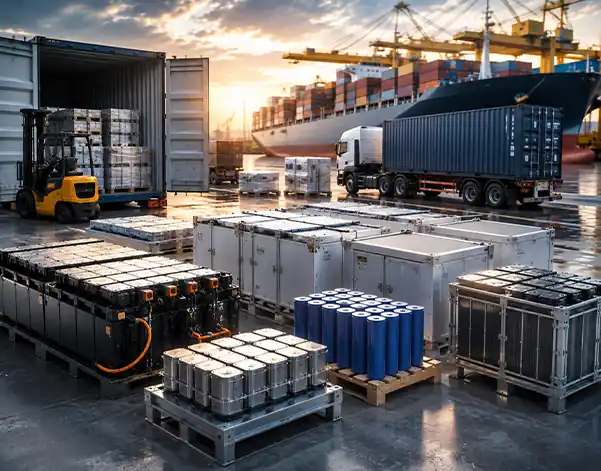
Businesses that import batteries or battery-containing products can also have important producer responsibilities under applicable regulations. Importers need to understand the types and quantities of batteries entering the market and ensure that applicable registration, collection, recycling, reporting, and EPR obligations are fulfilled.
4. Electric Vehicle and Automotive Battery Producers
Supporting the EV Battery Lifecycle:
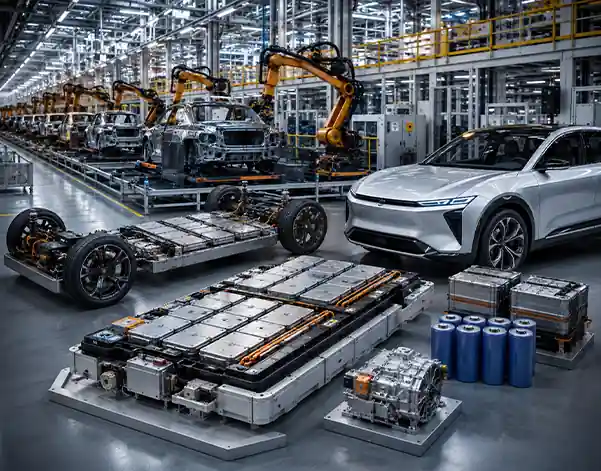
The rapid growth of electric mobility has created a major demand for high-capacity batteries, particularly lithium-ion batteries. Electric vehicle manufacturers and businesses involved in EV battery supply chains need systems for battery collection, safe handling, refurbishment, second-life applications, and recycling. Effective lifecycle management can help recover valuable materials and reduce environmental impacts.
5. Portable and Consumer Battery Producers
Batteries in Everyday Products:
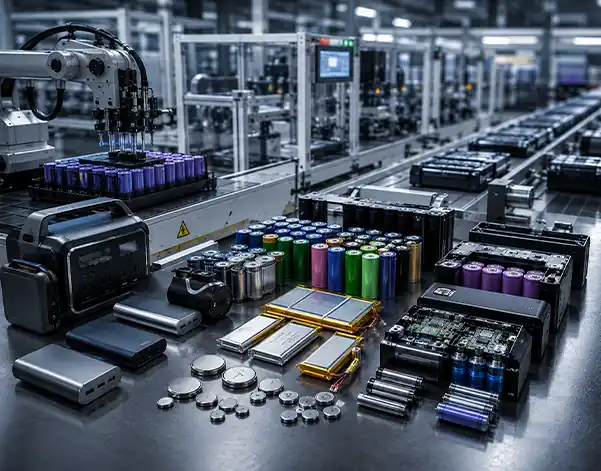
Portable batteries are widely used in smartphones, laptops, cameras, power banks, wearables, toys, and other consumer products. Producers and businesses placing these batteries on the market have an important role in ensuring that used batteries are collected and directed to authorized recycling or recovery channels.
6. Industrial and Energy Storage Battery Producers
Supporting Renewable Energy and Grid Storage:
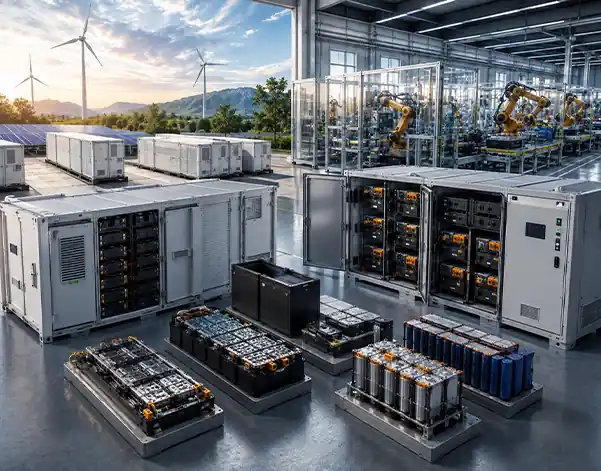
Industrial batteries are increasingly important for renewable energy systems, backup power, telecommunications, data centers, and energy storage applications. As the deployment of energy storage systems grows, responsible collection, transportation, recycling, and material recovery become increasingly important for managing batteries at the end of their useful life.
7. EPR Responsibilities Across the Battery Lifecycle
From Market Placement to End-of-Life Management:
Battery EPR frameworks aim to ensure that producers take responsibility for batteries after they become waste. Depending on the applicable regulations, responsibilities may include registration, maintaining records, meeting collection or recycling targets, financing waste management, working with authorized recyclers, maintaining documentation, and submitting periodic compliance reports.
8. Building a Circular Battery Economy
Reuse, Recycling and Resource Recovery:
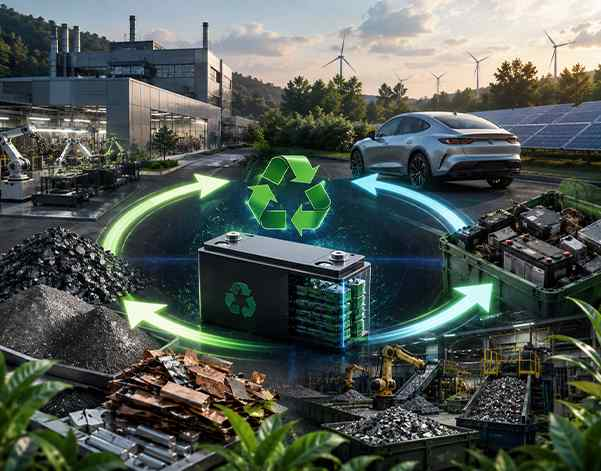
A sustainable battery ecosystem goes beyond simply disposing of used batteries. Collection, refurbishment, repurposing, second-life applications, recycling, and recovery of valuable materials can help keep resources in circulation. Circular battery management can reduce dependence on virgin raw materials while supporting resource efficiency and sustainable manufacturing.